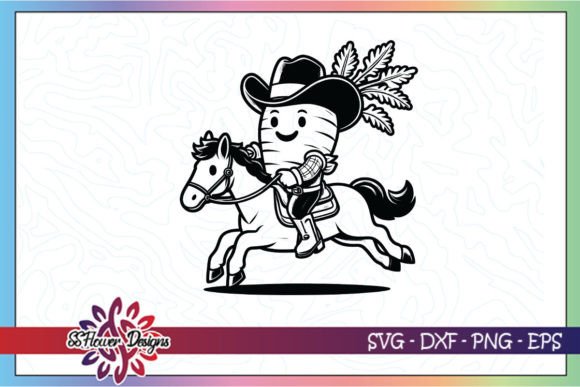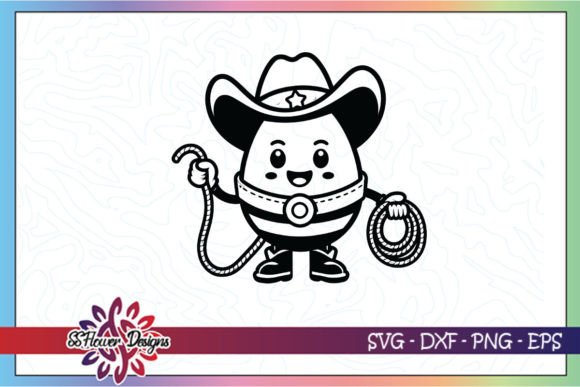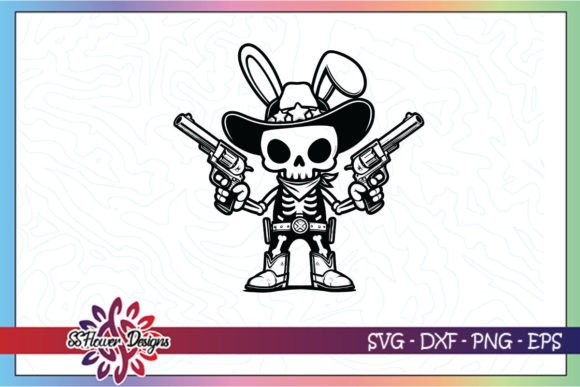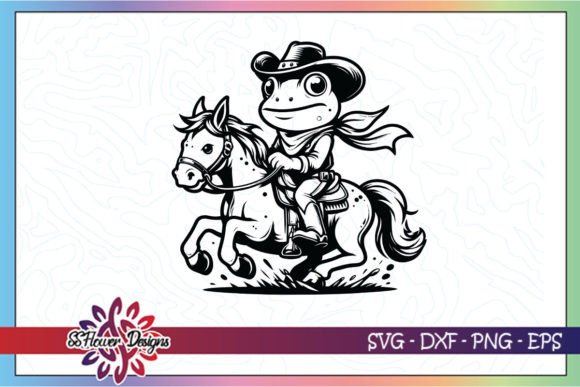
Western Easter Egg SVG Clipart 18 Review for Embroidery Projects
As an experienced embroidery designer and product reviewer, I’ve tested countless SVG files across a wide range of applications. When I first opened Western Easter Egg SVG Clipart 18, I knew it had potential—but only time and real-world use would tell how well it translates to actual stitched products. This design is part of the Illustrations category and labeled as Graphics, so it's important to evaluate its performance beyond just digital appeal.
First Impressions: A Festive Yet Rugged Western Charm
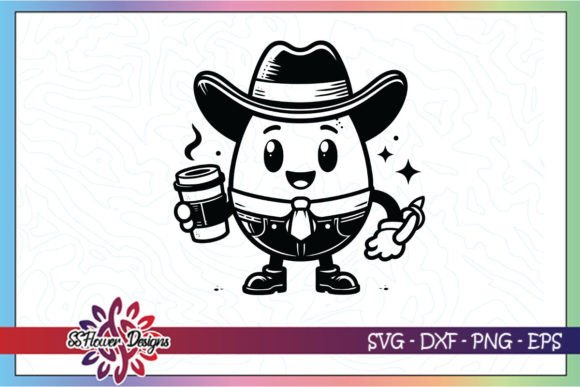
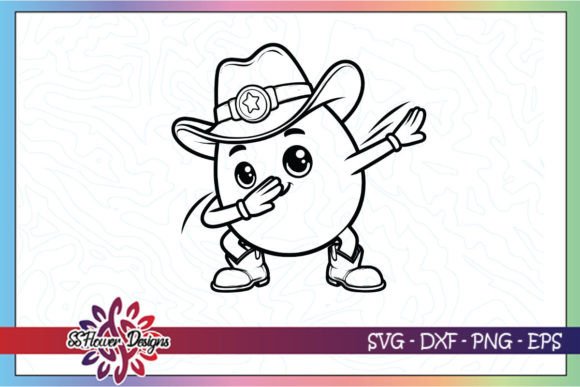
The Western Easter Egg SVG Clipart 18 immediately caught my eye with its bold outlines and stylized details. It’s not your typical pastel easter egg—it has a western twist that adds character and personality. The layout is symmetrical but with a slight asymmetry in the details, which makes it visually engaging without being overwhelming. The shape is large enough to be noticeable on fabric, yet balanced enough to avoid appearing cluttered.
This design feels like it was crafted with a specific audience in mind—those who love western themes or want to add a festive touch to holiday gifts. Its visual personality leans into nostalgia and charm, making it ideal for personalized gifts, custom apparel, or even boutique branding around springtime events. The level of detail suggests it can work well on larger items, but it also needs some careful handling when scaled down.
What Kind of Project Fits Best?
I imagine this design working beautifully on a custom embroidered tote bag or sweatshirt. It could also be a standout feature on a baby item like a onesie or blanket, especially if you're aiming for a playful yet thematic look. For those selling handmade products or digital assets, this clipart offers a fresh angle on traditional easter motifs, appealing to customers looking for something unique rather than generic.
Real-Life Embroidery Performance
When considering how Western Easter Egg SVG Clipart 18 will perform in real-life embroidery situations, there are several key areas to test. Here’s how it stacks up based on common project types:
- Custom Apparel: This design works well on t-shirts and sweatshirts, particularly when placed centrally. The contrast between the egg and the background fabric is strong, so thread color choice is critical here.
- Baby Clothes & Nursery Decor: The whimsical nature of the design fits perfectly in these contexts. However, due to the detailed elements, it may require extra stabilizer to prevent distortion on stretchy or thin fabrics.
- Tote Bags: On a cotton or canvas tote, this design stands out nicely. The stitch density remains manageable, and the overall look is professional and eye-catching.
- Patches & Aprons: As an embroidered patch or part of an apron design, the western motif brings a sense of authenticity. Just be sure to adjust the placement depending on the garment’s curvature and texture.
- Holiday Gifts & Personalized Products: Whether applied to a mug, pillow cover, or tea towel, the design retains its charm. It adds a decorative touch while maintaining clarity in stitching.
- Etsy Listings & Boutique Branding: The design can elevate the perceived value of handmade items. It’s versatile enough to be used as a standalone graphic or integrated into a broader set of design assets for cohesive branding.
- Digital Embroidery Files & Mockups: As a PNG included with the SVG file, it allows for quick previews and printable mockups. The pre-configured format means less setup time in your design software, which is a big plus for efficiency.
Where Caution Is Needed
While the Western Easter Egg SVG Clipart 18 is a great addition to many projects, there are scenarios where it might not perform as expected:
- Small Hoop Sizes: The design is fairly intricate, so scaling it down too much can cause small details to get lost in stitching. Always confirm the recommended hoop size before starting your project.
- Textured or Stretchy Fabrics: If using this on denim, flannel, or spandex blends, expect some challenges with stitch tension and fabric deformation. Using a proper stabilizer is essential.
- Dark Fabric Backgrounds: While the design looks good in preview, it may lose impact on darker materials. Consider testing it on black or navy fabric with light-colored threads to ensure visibility.
- Curved Surfaces Like Caps: The symmetry of the design can become distorted if not properly adjusted for curved embroidery fields. Be prepared to tweak the layout or consider a simpler version for such items.
- Products That Need Frequent Washing: Dense stitch areas can lead to puckering over time. Monitor the design after a few washes to ensure it holds up, especially if used on children’s clothing or towels.
Visual Appeal and Stitch Clarity
One of the strengths of this design is its visual appeal. The western theme brings a sense of fun and tradition to any project. However, the clarity of the stitching depends heavily on the thread colors chosen. Since no exact thread counts or color palettes are provided, it's best to plan ahead by selecting contrasting colors that highlight the design’s features.
Stitch clarity is generally good, but the more complex parts—like the floral accents and the eggshell textures—require attention to stitch direction and spacing. These elements may need to be adjusted for optimal results, especially if you’re working with a home embroidery machine.
Design Notes for Embroidery Artists
Here are some practical tips I’d recommend to anyone planning to use Western Easter Egg SVG Clipart 18 in their next embroidery project:
- Test on Scrap Fabric First: Before committing to a final piece, run a test stitch on similar material to check for any issues with stitch flow or fabric compatibility.
- Check Thread Color Contrast: Use a light-colored thread on dark fabric and vice versa to maintain visibility and make the design pop.
- Review Stitch Density: Adjust fill stitches and satin stitches slightly if you notice puckering or distortion during your test runs.
- Confirm Hoop Size: Though not specified, always verify the minimum hoop size required to accommodate the full design and surrounding stabilizer.
- Inspect Small Details: The fine lines and tiny elements within the design should be reviewed carefully to ensure they translate well to the needlepoint.
- Use Proper Stabilizer: Especially on stretchy or delicate fabrics, a tear-away or cut-away stabilizer can help preserve the design’s integrity.
- Test Black and White Mockups: This helps determine whether the design will still be effective without color, which is useful for grayscale or monochrome embroidery.
- Compare Light and Dark Fabrics: Make sure the design maintains its visual impact regardless of the base fabric color.
- Verify Licensing for Commercial Use: If you plan to sell finished products or digital designs, double-check the licensing terms to avoid any legal hiccups.
Customer Reactions and Market Fit
From a market perspective, this design is likely to attract customers looking for something different—especially in craft businesses targeting niche markets. Its western flair sets it apart from standard easter designs, giving Etsy sellers and small shop owners a chance to offer a truly unique product.
However, customer trust is tied to the quality of the finished product. If the design isn’t adapted properly for the fabric or scale, it can appear unprofessional. So take the time to refine the layout and test it thoroughly before listing it in your store or gifting it to clients.
Final Thoughts for Creative Entrepreneurs
In conclusion, Western Easter Egg SVG Clipart 18 is a versatile and charming addition to any embroidery designer’s toolkit. It lends itself well to personalization, commercial embroidery, and digital design assets. But like all graphics, it requires thoughtful application to achieve the best results.
If you’re considering using this design for a holiday gift, custom apparel, or a boutique product line, I suggest approaching it with both excitement and caution. It has the potential to enhance your handmade presentation and boost buyer engagement, but success depends on how well you adapt it to your specific materials and machines.
So go ahead and give it a try—but don’t forget to test it out first. Your customers (and your machine) will thank you!