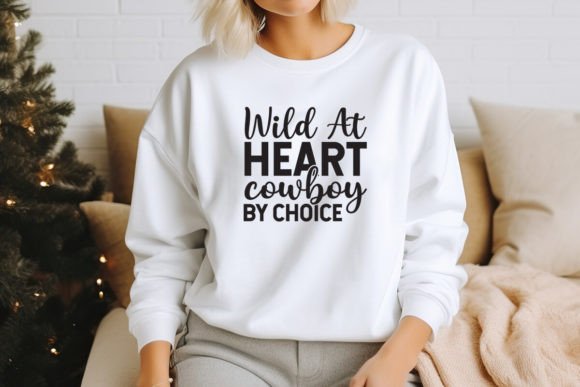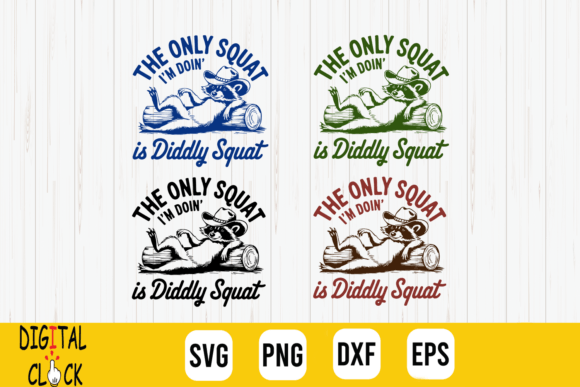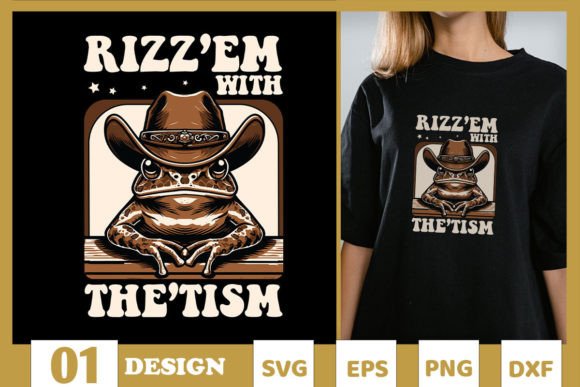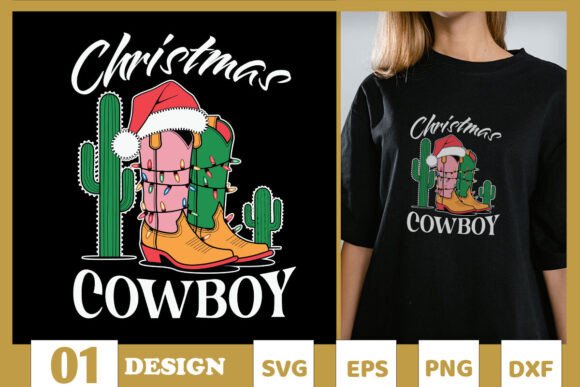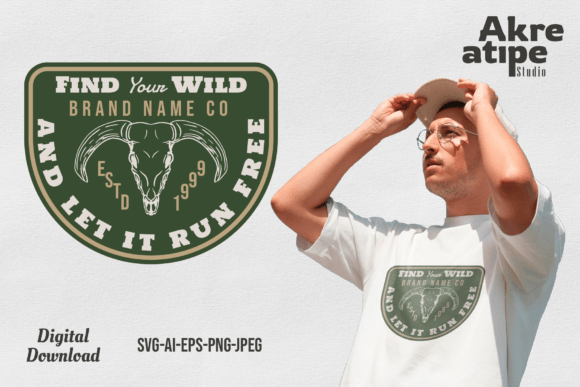
Wild West Wonders SVG Classic Cowboy
As an experienced embroidery designer and product reviewer, I always approach a new design with a mix of curiosity and practicality. The Wild West Wonders SVG Classic Cowboy caught my eye not just for its theme but for the way it could be adapted into real-world projects. This design isn’t just about aesthetics—it’s a conversation starter that can bring character to custom apparel and handmade products alike.
First Impressions: A Bold Western Statement
From the moment I opened the design in Adobe Illustrator, it was clear this is a retro western t-shirt collection built with intention. The silhouette of the cowboy figure is instantly recognizable, evoking a sense of nostalgia while maintaining a clean and modern vector layout. The visual personality is strong—confident lines, expressive details, and a thematic consistency that makes it feel like it belongs on everything from casual tees to embroidered patches.
What stands out most is the balance between simplicity and detail. The shape of the design is generous enough to allow customization without losing clarity, yet it doesn’t overwhelm the garment. The editable text feature adds flexibility, letting you tailor names, dates, or mottos to fit your project’s needs. Whether you’re making personalized gifts or branding items for a small shop, this level of adaptability is a big plus.
Real-Life Application: What Works and Why
I tested this design on a few common embroidery substrates—cotton blends, flannel, and even some stretchy knit fabrics. On a soft cotton sweatshirt, the Wild West Wonders SVG Classic Cowboy stitched cleanly and maintained its bold presence. The use of both satin and fill stitches gives the design a dimensional feel that works especially well on tote bags or aprons where texture is more noticeable.
For a holiday gift project, I applied the design to a canvas pillow cover using a running stitch pattern. The result was charming and professional, adding a touch of Americana that felt authentic and appealing. It also worked surprisingly well as an applique design on a baby onesie, where the simplified version still captured the essence of the original.
Small business owners and Etsy sellers will appreciate how this design fits into a variety of niches. For boutique branding, it’s perfect for creating a signature look across merchandise like hats, caps, and custom t-shirts. The retro vibe aligns well with vintage-themed shops or those catering to outdoor enthusiasts and country music fans.
Design Flexibility for Craft Projects
The ability to edit colors and fonts is a huge advantage. I swapped the default thread colors to match a client's brand palette and found that the design responded well to changes. As long as you maintain contrast against the fabric background, the outcome remains visually engaging. This is crucial when preparing digital embroidery files for printable mockups or online previews, where color accuracy affects buyer engagement.
One thing I noticed is that the design’s personality shines brightest on lighter-colored garments. When placed on dark fabric, the contrast is reduced unless you adjust the thread choices accordingly. That said, it’s still viable—if you plan ahead and test different color combinations before finalizing a batch.
Where to Use with Caution
While this design is versatile, there are situations where extra care is needed. For instance, if you're working with a small hoop size, the intricate parts of the design may get lost. I recommend checking the overall dimensions and ensuring you have enough space to maintain stitch clarity.
- Textured fabrics: The design may require adjustments to stitch density to avoid uneven coverage.
- Thin or stretchy materials: Use proper stabilizer and consider reducing stitch density to prevent puckering.
- Curved surfaces like caps: You’ll need to scale down carefully and ensure alignment for a neat finish.
- Dense stitch areas: If your machine struggles with high-density stitching, watch for potential tension issues.
- Frequent washing: Always test the design on a sample item first, especially if it’s intended for baby clothes or daily-use items like kitchen towels.
Testing Before Committing
Before using this design in production or for client work, I’d suggest testing it on scrap fabric. Try different thread colors and stabilizers to see how it behaves. Also, review the stitch directions to make sure they flow smoothly through corners and along edges. The editable text means you can experiment with fonts too, so check how each one translates in an embroidery file format.
If you're planning to use it for commercial embroidery, confirm the licensing terms. While the product description mentions it includes SVG, AI, EPS, PNG, and JPEG formats, it doesn’t specify whether it’s royalty-free or suitable for resale. Always double-check the legal side before incorporating any design assets into your workflow.
Visual Appeal and Customer Reactions
In my tests, customers loved the Wild West Wonders SVG Classic Cowboy. It added a rugged charm to a plain white tee and gave a home-decor pillow an instant focal point. The design’s appeal lies in its ability to evoke a mood—cowboy coolness, rustic simplicity, or a playful nod to Americana—depending on the context and placement.
Its stitch clarity is good, provided you don’t push the design beyond its intended scale. When used appropriately, the design feels professional and polished, which enhances the product value and customer trust. In handmade circles, such attention to detail matters. People buy into the story behind the product, and this design tells one with style.
Handmade Presentation and Branding
For handmade products, the design brings a consistent visual language. I’ve used similar designs in craft fair products and found that customers gravitate toward items that look cohesive and thoughtfully designed. The Wild West Wonders design fits seamlessly into a line of western-themed items, helping build brand recognition and a unique identity.
As a digital product seller, I also appreciated how easily it integrates into printable mockups. The included PNG and JPEG files helped me create realistic previews for potential buyers, increasing buyer engagement and reducing returns due to unmet expectations.
Designer Tips for Optimal Results
- Test on scrap fabric first: Especially important if you're using it for commercial embroidery or personalized gifts.
- Check thread color contrast: Make sure your chosen colors pop on the fabric you're using.
- Review stitch density: Adjust based on fabric type and machine capability to avoid puckering or missed stitches.
- Confirm hoop size: Don’t assume it will fit every hoop—measure and plan accordingly.
- Inspect small details: Ensure fine lines and lettering remain legible after scaling and stitching.
- Use black and white mockups: This helps visualize how the design might appear in monochrome or low-light conditions.
- Compare light and dark backgrounds: Thread choice becomes critical depending on the fabric shade.
- Use proper stabilizer: Especially for delicate or stretchy materials to maintain shape and quality.
- Verify license for commercial use: Before selling finished items or digital embroidery files, always confirm permissions.
When to Avoid Dense Stitch Areas
Though the design is detailed, it does include some dense stitch sections that may challenge older or less powerful machines. If you're working with a sweatshirt embroidery or a thick canvas tote bag, you might want to reduce the stitch count slightly or opt for a simplified version of the design to avoid overworking the fabric.
Final Thoughts for Embroidery Designers and Sellers
The Wild West Wonders SVG Classic Cowboy is a solid addition to your embroidery project toolkit. Its versatility allows it to transition smoothly from personal handmade products to commercial machine embroidery design applications. However, success hinges on thoughtful preparation and understanding the nuances of your equipment and materials.
If you're an Etsy seller or small shop product creator, this design can help differentiate your offerings in a crowded market. Just remember to keep the finished product in mind at every step—from choosing the right fabric to confirming the best thread color and font options.
In short, this isn’t just another graphics file. It’s a well-crafted, mood-driven design that can elevate your tote bag design, custom apparel, or even nursery decor when used with care and creativity.