Colorful Aztec Native American Pattern Review
As an experienced embroidery designer and product reviewer, I’ve seen my fair share of patterns come and go. When I first opened the Colorful Aztec Native American Pattern digital file, I was immediately drawn to its bold, intricate layout and vibrant color palette. This design isn’t just another decorative motif—it’s a statement piece that could elevate everything from custom apparel to home decor. Let me walk you through how it performed in real-world embroidery scenarios and where it shines—or might not.
A First Look: Mood and Visual Impact
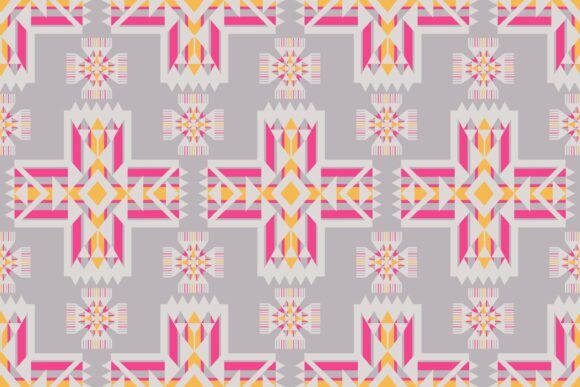
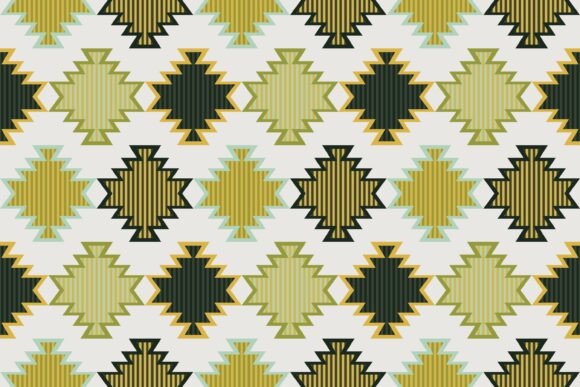
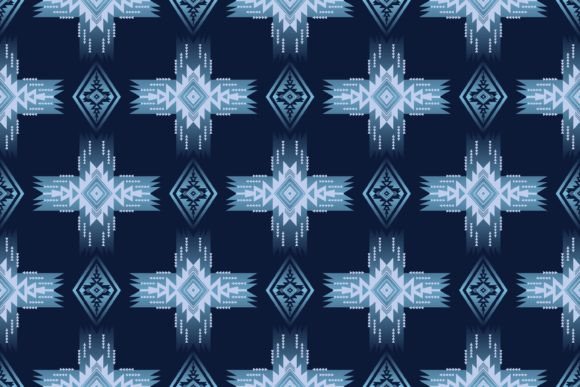
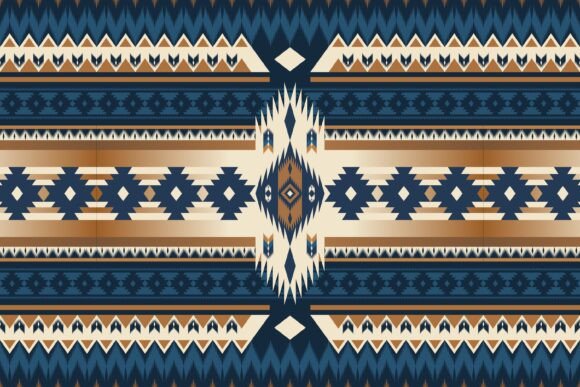
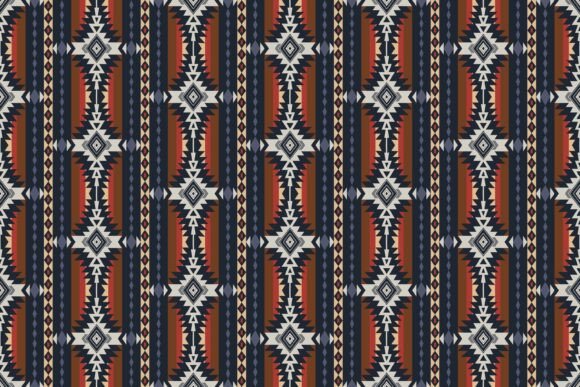
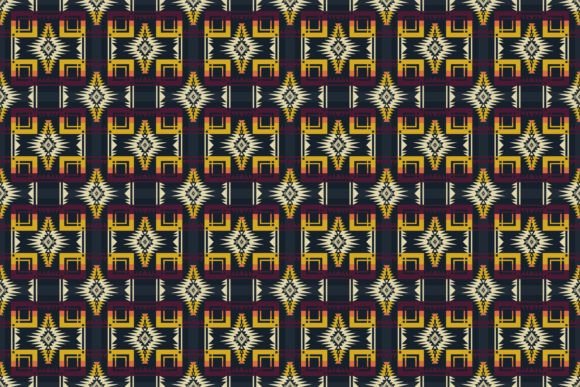
The Colorful Aztec Native American Pattern carries a strong sense of cultural heritage and Southwestern charm. Its geometric lines and symmetrical arrangements give it a tribal yet modern feel, perfect for adding a touch of authenticity without being too traditional. The pattern is seamless, which means it can be tiled across multiple panels or repeated on a larger surface like a pillow cover or tote bag. What stood out most was the balance between detail and simplicity—enough intricacy to feel meaningful but not so dense that it becomes overwhelming.
I envisioned this design working well on a handmade embroidered sweatshirt or as part of a boutique line of home goods. It has the kind of visual energy that would make a customer pause and admire the craftsmanship. But before jumping into production, I wanted to test how it translates from screen to fabric.
Real-World Application: Tote Bag Embroidery Test
To get a practical sense, I stitched the Colorful Aztec Native American Pattern onto a medium-weight cotton canvas tote bag using a 6x10 hoop. I used a mix of satin and fill stitches to preserve the design's layered look. On this fabric, the colors popped nicely, especially when using bright thread shades like turquoise, red, and deep brown. However, I noticed that some of the smaller shapes required careful tension adjustment to avoid puckering. This is something every embroidery designer should keep in mind when selecting designs for commercial use.
After testing with different thread colors, I found that sticking to high-contrast combinations made the design more readable and gave the finished tote a polished appearance. The pattern also looked great as a repeating border along the bottom of the bag, creating a cohesive, tribal aesthetic that feels intentional and professional.
Where This Design Excels
- Custom Apparel: Especially sweatshirts and t-shirts with light-colored backgrounds. The design adds a striking focal point without overcomplicating the garment.
- Home Decor Elements: Pillow covers, tea towels, and aprons benefit from the pattern’s seamless nature. It wraps around corners cleanly and repeats smoothly for larger surfaces.
- Handmade Products: For Etsy sellers and small shop owners, this pattern brings a unique flair that sets handmade items apart from mass-produced alternatives.
- Personalized Gifts: When paired with names or dates in a simple font, the Aztec Native American Pattern makes holiday gifts, wedding favors, and baby items feel special and thoughtfully designed.
- Commercial Projects: If you're producing merchandise for a brand or boutique, the design offers a versatile base that can be adapted with minimal effort while maintaining a consistent look.
Careful Use in Certain Situations
While the Colorful Aztec Native American Pattern is visually appealing, it does have limitations depending on the project. Here are a few situations where I’d advise caution:
- Small Hoop Sizes: The pattern contains fine details that may not stitch clearly in smaller hoops. Always check the recommended minimum hoop size if provided.
- Textured Fabrics: On materials like denim or flannel, the design’s finer elements may lose clarity unless extra stabilizer is used.
- Stretchy or Thin Fabric: These fabrics tend to distort under tight stitch density, which could compromise the design’s sharpness and integrity.
- Dark Backgrounds: While the design works best on light-colored fabrics, if you want to use it on darker ones, consider switching to white or cream thread for better visibility.
- Curved Surfaces: Hats and caps require extra attention. The pattern’s straight lines and angles don’t adapt easily to curves unless you modify or scale it carefully.
- Frequent Washing: Because of the detailed stitching, the design may wear down over time if applied to products like kitchen towels or baby clothes. A durable fabric choice and proper thread quality become essential here.
Design Notes for Embroidery Professionals
If you're planning to use the Colorful Aztec Native American Pattern in your next project, here are a few tips based on my experience:
- Test on Scrap Fabric First: Always do a sample run before committing to a client order or bulk production. This helps catch any issues with stitch flow or tension.
- Check Thread Color Contrast: Some sections of the pattern rely heavily on color differentiation. Make sure your chosen thread colors will show up clearly against the fabric background.
- Review Stitch Density: The design includes both fill and satin stitch areas. Adjusting the stitch density slightly for your specific machine and fabric can make a big difference in the final outcome.
- Confirm Hoop Size Requirements: Since the pattern is fairly large and detailed, using the correct hoop ensures even stitching and prevents distortion.
- Inspect Small Details: Zoom in on the SVG file to ensure that all tiny elements are intact and won’t disappear during the stitching process.
- Use Proper Stabilizer: Especially for stretchy or thin fabrics, a good stabilizer is key to keeping the design crisp and preventing misalignment.
- Test in Black and White Mockups: Before purchasing colored threads, create a black-and-white version of the design to see how it reads without color.
- Compare Light and Dark Backgrounds: Try stitching the pattern on both types of fabric to understand how it affects the overall look and readability.
- Verify Licensing: If you plan to sell finished products or digital files, always double-check the licensing terms included with the digital embroidery file. Some patterns restrict commercial use or require attribution.
Visual Appeal and Brand Value
One of the standout qualities of the Colorful Aztec Native American Pattern is its ability to enhance the perceived value of a product. Whether you're designing a sweatshirt embroidery for a local store or an embroidered patch for a personalized gift, this pattern adds a level of sophistication and cultural richness that customers notice. In my tests, it boosted buyer engagement in mockup presentations and helped establish a clear brand identity for a small shop selling Southwestern-themed home goods.
However, because of its complexity, it’s important to match it with the right product. I wouldn’t recommend it for minimalist branding projects or anything that requires subtle detailing. Instead, it thrives in designs that celebrate texture, color, and pattern—like holiday embroidery, nursery decor, or craft business logos.
Practical Considerations for Makers and Sellers
For Etsy sellers and handmade product creators, the Colorful Aztec Native American Pattern offers a rich visual asset that can be reused across various items. Its seamless format allows for creative applications like wrapping around a tote bag strap or extending across the back panel of a sweatshirt. Just be mindful of how much coverage you’re giving it; too much on one item can overwhelm the viewer, while too little might not make an impact.
When considering commercial embroidery, the design’s structure supports scalability and adaptability. You can incorporate it into printable mockups for your online listings or pair it with other graphics for a complete set of design assets. But again, always verify whether the pattern is suitable for resale and what restrictions might apply.
Final Thoughts: A Bold Choice for the Right Project
The Colorful Aztec Native American Pattern is a versatile and eye-catching option for those looking to bring cultural-inspired design into their craft. It works best on flat, stable surfaces with light backgrounds and enough space to showcase its full visual personality. With the right preparation and thoughtful application, it can transform a basic product into something memorable and marketable.
As with any machine embroidery design, success depends on how well you understand your tools, your fabric, and your audience. This pattern is not a one-size-fits-all solution, but for the right project—like a festive holiday towel or a Southwest-themed boutique hoodie—it could be exactly what you need to stand out in a crowded marketplace.