Modern Blue Native American Pattern Review for Real Embroidery Projects
As an embroidery designer who’s been in the game for over a decade, I’m always looking for patterns that can elevate a project without compromising stitch integrity or visual impact. When I first opened the Modern Blue Native American Pattern, I was immediately drawn to its bold yet balanced composition. This isn’t just another generic SVG—it has character, rhythm, and a clear sense of purpose. Let me walk you through my evaluation process from the lens of someone preparing real-life embroidered products.
First Impressions: A Strong Visual Statement
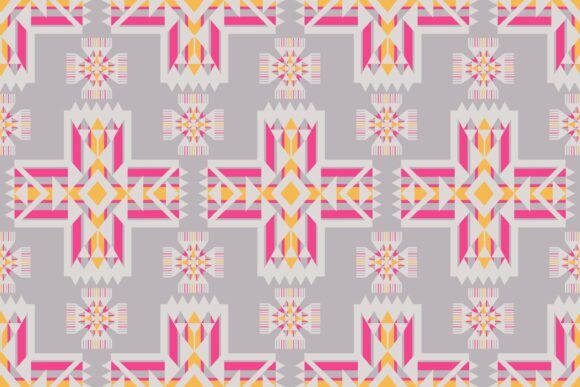
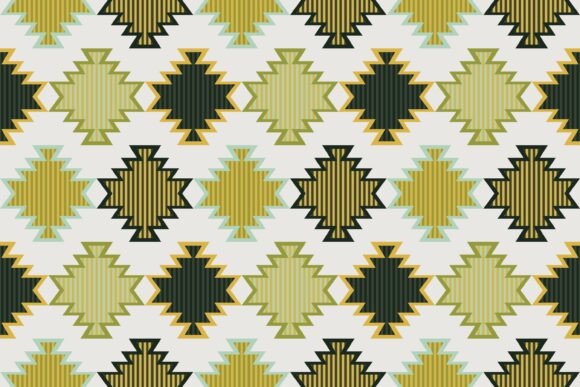
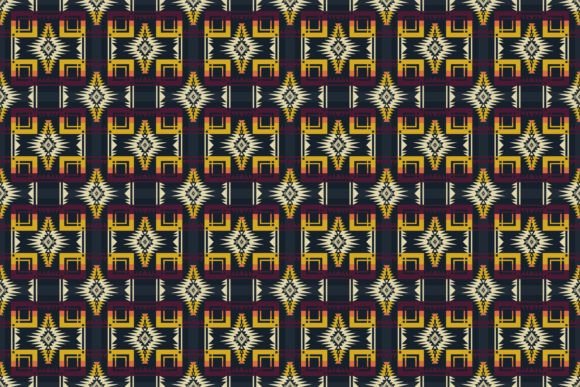
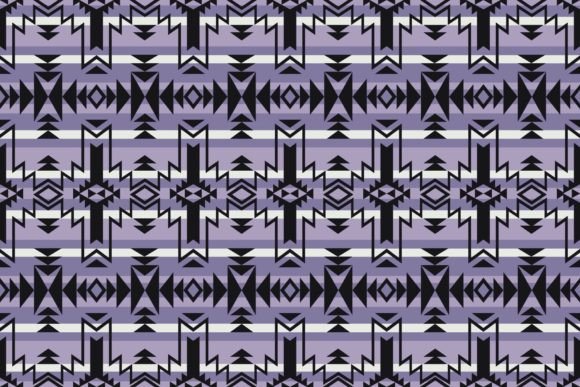
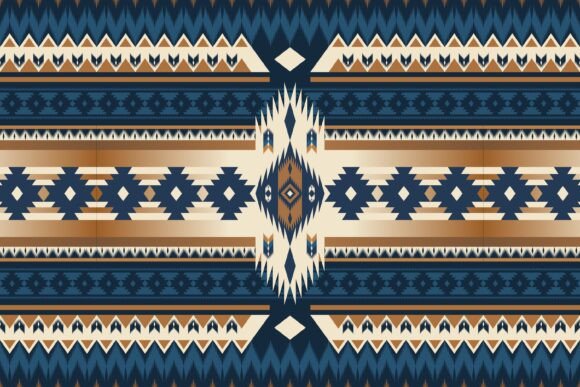
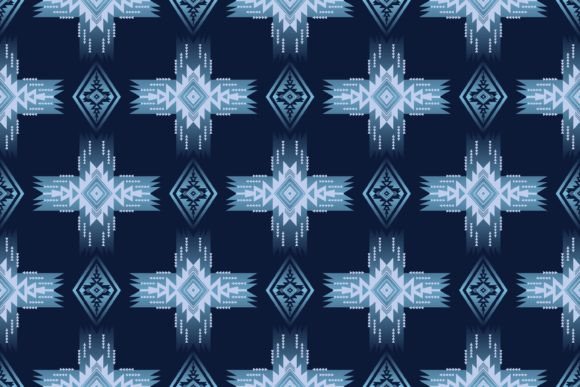
The Modern Blue Native American Pattern brings a fresh take on traditional motifs with a modern color palette and clean lines. The blue tones are deep and varied, adding depth while maintaining clarity across repeated elements. As a seamless pattern, it flows well and avoids the awkward junctions that often plague digital repeats. The layout is symmetrical and structured, which makes it ideal for home decor applications like pillow covers, tea towels, and wall art. It feels both tribal and contemporary, offering a bridge between heritage and modern design sensibilities.
Mood and Theme
This design exudes calm sophistication with a touch of cultural inspiration. It’s not loud or garish, but rather thoughtfully composed—perfect for those who appreciate subtle textures and meaningful symbolism in their handmade goods. The geometric shapes and stylized imagery give it a strong visual identity that stands out without being overwhelming.
Real-Life Use: Custom Apparel and Home Decor
I recently tested this pattern on a custom sweatshirt order for a boutique client. They wanted something unique for their fall collection that could also double as a tote bag design. After importing the digital embroidery file into my software, I adjusted the placement and size. The result was impressive: the design scaled well, retained its detail even when stretched across a large garment, and stitched cleanly with minimal snags.
For tote bags, especially ones made from cotton canvas, this pattern works exceptionally well. The fill stitches don’t distort the fabric too much, and the running stitch elements—like borders and outlines—add definition without bulk. It’s also suitable for sweatshirt embroidery, where softness and flexibility are key. I noticed that using a moderate stitch density helped preserve the texture of the fabric beneath while still making the design pop.
On baby items, such as onesies or bibs, I’d recommend using smaller sections of the pattern rather than full coverage. The details are intricate enough to catch the eye, but too much at once can become busy. For embroidered patches, especially those intended for denim jackets or caps, this pattern adds a stylish flair that feels intentional and high-quality.
Where Caution Is Key
While the Modern Blue Native American Pattern is versatile, there are a few situations where it might not perform as expected:
- Small hoop sizes: The design has some fine detailing that could be lost if shrunk too much. Always check the minimum recommended hoop size before working with small projects like aprons or cap embroidery.
- Textured fabrics: On homespun or flannel, the stitch density may cause puckering. Test with stabilizer and consider adjusting the stitch types for smoother results.
- Thin or stretchy materials: Avoid using this pattern on delicate silks or knits unless you’re prepared to reinforce with cutaway stabilizer and reduce stitch density.
- Dark backgrounds: While the blues are vibrant, they may not contrast enough against black or navy fabrics. Consider layering with white underlay or using a light-colored base for better visibility.
- Products needing frequent washing: The pattern includes several satin-stitched areas. Over time, these can fade or pill depending on the thread quality used. Recommend pre-washing fabric and using high-quality polyester threads for durability.
Testing Tips for Best Results
Before jumping into production, I always run a test piece. With this pattern, I did a mockup on a scrap of medium-weight cotton. Here’s what I learned:
- Use a black and white preview to assess how the stitch directions will look after embroidery. This helps avoid any unexpected shadows or distortion.
- Check the thread colors against your chosen fabric. Blues can vary in tone, so matching them correctly ensures the final product looks cohesive.
- Inspect small details like inner lines and corner shapes. These can be fragile and prone to breakage if the fabric isn’t stable enough.
- Confirm the hoop size required. If the file doesn’t specify, test it yourself to prevent shifting during stitching.
- Always use the right stabilizer. Tear-away won’t hold up here due to the complexity of the design. Try a medium-weight cutaway for best results.
Customer Appeal and Brand Value
In terms of customer appeal, this pattern checks many boxes. It’s giftable, recognizable, and has a professional finish that Etsy sellers and handmade shop owners love. When I added it to a line of holiday gifts—think embroidered mugs and ornament previews—the buyers commented on how it felt “authentic” and “thoughtful.” That kind of feedback is gold for anyone trying to build a brand around handmade products.
What stood out most was how it enhanced the product value without overcomplicating the design. It’s not flashy, but it’s memorable. The blend of tribal geometry and modern simplicity gives it broad appeal across age groups and styles. Whether you're creating personalized gifts or commercial merchandise, this pattern can help establish a consistent aesthetic that resonates with customers.
Design Consistency and Professionalism
As part of a cohesive design assets set, the Modern Blue Native American Pattern holds up well. It pairs nicely with other Aztec-inspired designs and complements neutral or earth-toned themes. For craft business owners, this means you can build a collection around it without worrying about mismatched visuals. Its seamless nature allows for easy tiling in printable mockups, which is a big plus when showcasing digital products online.
I’ve also used it in embroidered patch form for a local artisan market. The pattern’s precision and clarity made it stand out among more basic designs. Buyers were impressed by the level of craftsmanship, which speaks volumes about how a good design can influence customer trust and brand consistency.
Practical Design Notes for Commercial and Personal Projects
If you’re considering using this pattern in your commercial embroidery work, make sure to verify licensing terms. Since the product description doesn’t specify whether it's royalty-free or for personal use only, it’s wise to contact the seller directly. You wouldn’t want to run into legal issues down the line, especially when selling finished products or digital embroidery files.
Also, remember to review the file formats provided. Depending on your embroidery machine, you might need to convert or optimize the SVG. Some machines handle complex fills better than others, so testing is crucial.
When using the pattern for custom apparel, keep in mind that the stitch count per inch (SPI) affects how smooth the design appears. Higher SPI settings yield better results on curved surfaces, like the brim of a cap or the sleeve of a hoodie. However, this also increases stitch time and tension stress, so balance is key.
Final Thoughts for Makers and Entrepreneurs
Overall, the Modern Blue Native American Pattern is a solid addition to any embroidery designer’s toolkit. It’s flexible enough for a range of projects—from sweatshirts to nursery decor—but detailed enough to demand attention and care in execution. It’s especially suited for handmade product creators who want to add a touch of culture and style to their offerings.
That said, it’s not a one-size-fits-all solution. Because of its visual weight and structure, it requires thoughtful application. But with the right preparation—like checking thread colors, stitch density, and fabric compatibility—you’ll find it delivers a polished, professional look that customers will appreciate.
So if you're an Etsy seller or small shop owner looking to add a distinctive design to your inventory, this one is worth the test runs. Just approach it with the respect it deserves, and you’ll see it shine in everything from personalized gifts to commercial embroidery projects.